Buy ackack.eu ?
We are moving the project
ackack.eu .
Are you interested in purchasing the domain
ackack.eu ?
domain@kv-gmbh.de · 0541-91531010
Buy ackack.eu ?
How do you draw trehalose in a 2-11 glycosidic bond?
To draw trehalose in a 2-11 glycosidic bond, you would first draw two glucose molecules connected by an alpha-1,1 glycosidic bond. Then, you would add another glucose molecule to the first glucose molecule in the 2 position, forming a 1,2 glycosidic bond. Finally, you would add the last glucose molecule to the second glucose molecule in the 1 position, forming a 2,1 glycosidic bond. This structure represents trehalose in a 2-11 glycosidic bond. **
What are the differences between an ionic bond, a metallic bond, and a covalent bond?
Ionic bonds involve the transfer of electrons from one atom to another, resulting in the attraction between oppositely charged ions. Metallic bonds involve the sharing of electrons among a sea of delocalized electrons, creating a strong bond between metal atoms. Covalent bonds involve the sharing of electrons between atoms to achieve a stable electron configuration. Each type of bond has different properties and strengths based on the way electrons are shared or transferred between atoms. **
Similar search terms for Bond-11-Maths-and
Top-Angebote
Products related to Bond-11-Maths-and:
-
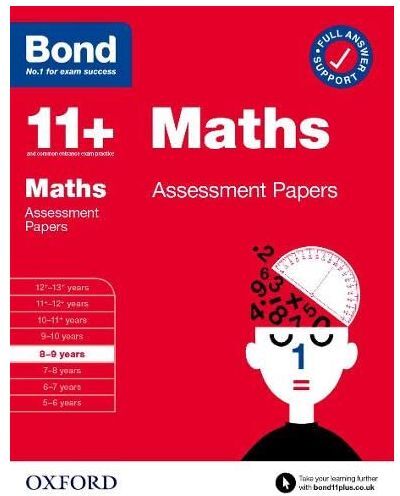
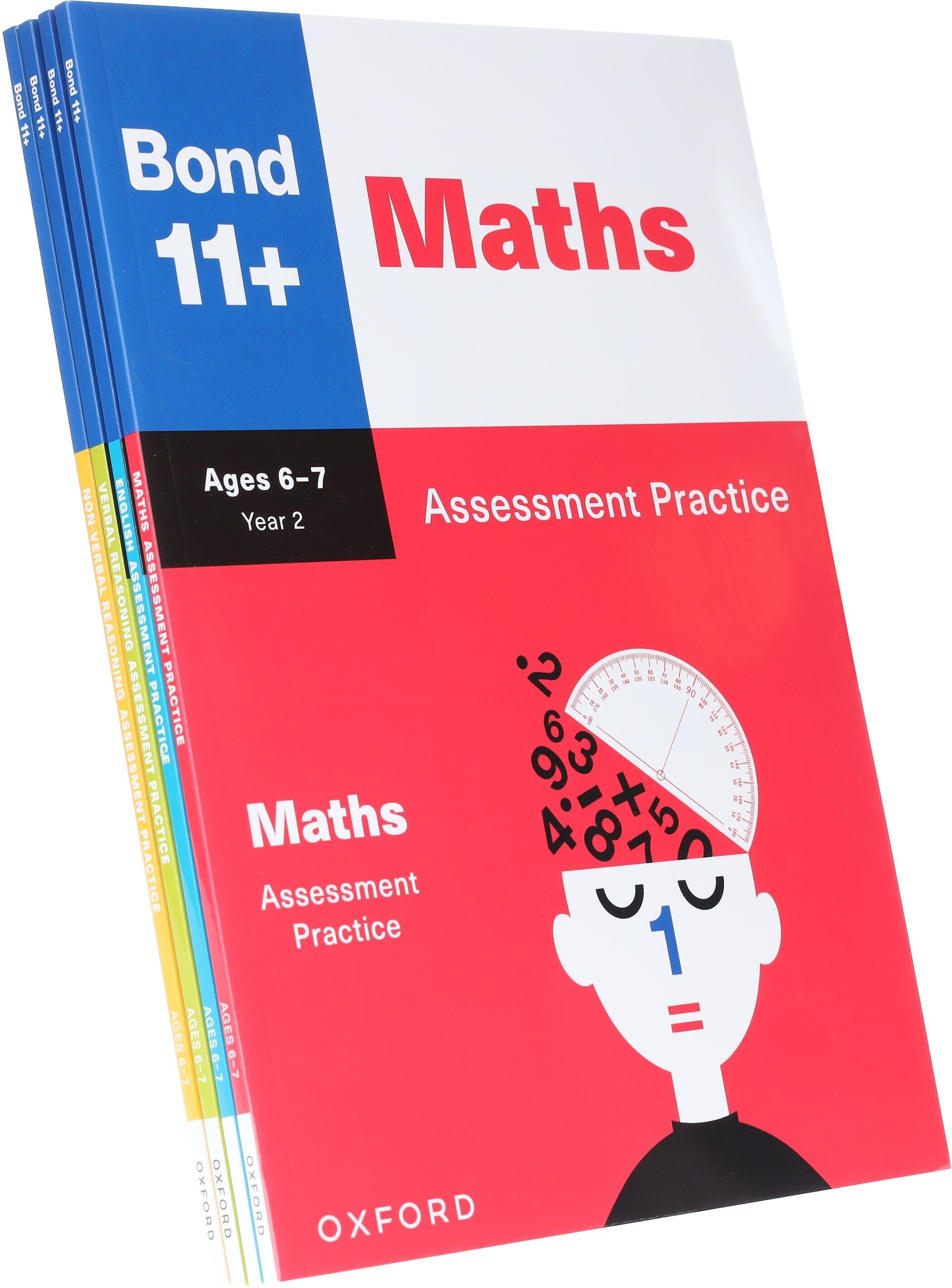
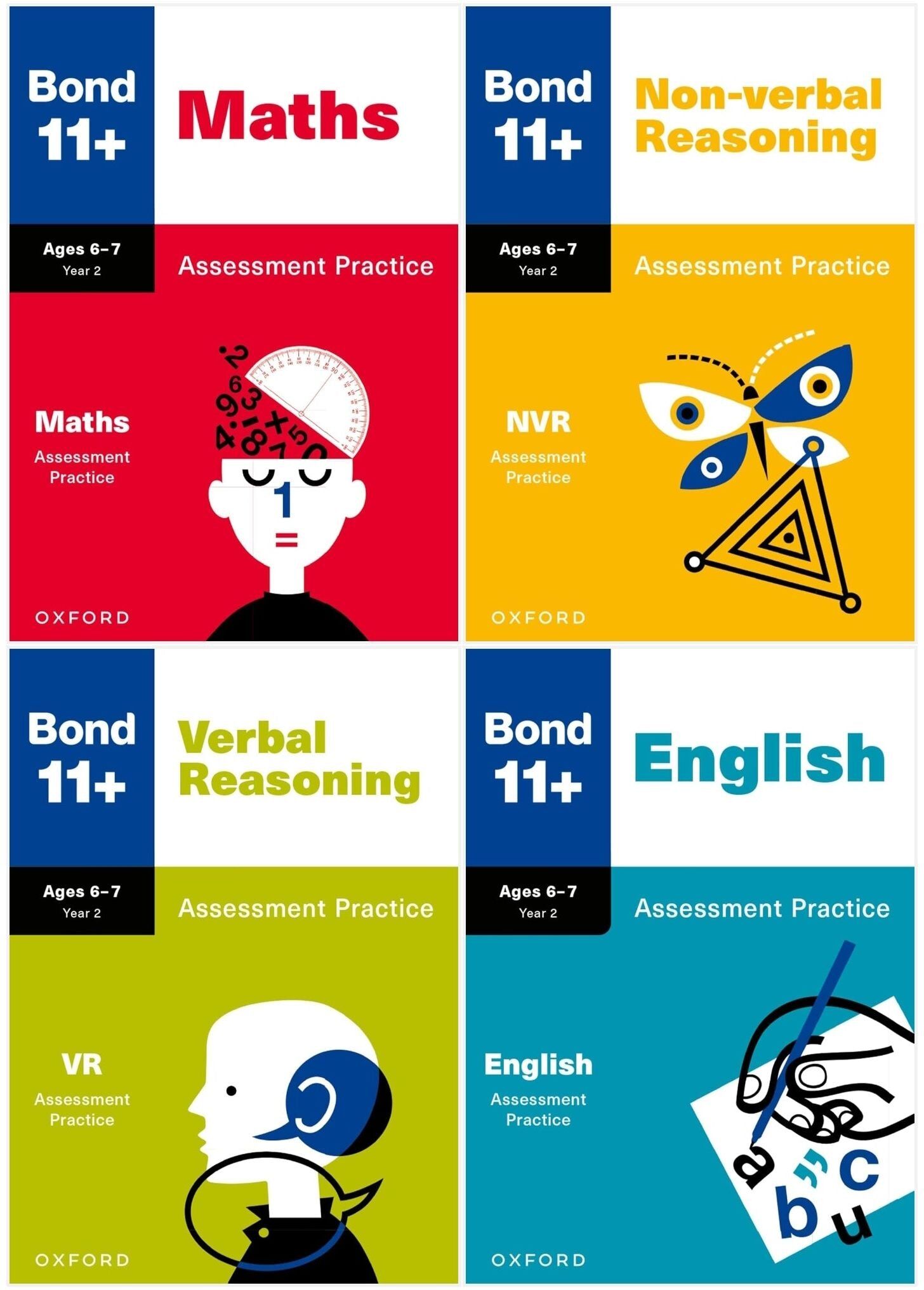
OXFORD UNIVERSITY PRESS Bond 11+ Maths English Verbal Reasoning Non-verbal Reasoning Assessment Papers 4 Books Set - Age 6-7Bond 11+ Maths English Verbal Non-Verbal Reasoning Assessment Practice 6-7 years 4 Books Set (Bond Assessment Papers) Developed and written by experienced tutors, Bond 11+ Assessment Practice Books offer exam-style practice questions, perfect for preparing for the GL 11+ exam and other selective school tests, with full answer explanations in a removable booklet. Bond 11+ English Assessment Practice Age 6-7: Covers all of the core 11+ English exam topics including comprehension, spelling, sentences, punctuation, and grammar Bond 11+ Maths Assessment Practice Age 6-7: Covers a wide variety of maths topics including place value, multiplication and division, fractions, shapes, measurement, and diagrams Bond 11+ Non-verbal Reasoning Assessment Practice Age 6-7: Covers a wide variety of non-verbal reasoning topics including shapes, angles and rotation, similarities, sequences, reflections, and grids Bond 11+ Verbal Reasoning Assessment Practice Age 6-7: Covers a wide variety of verbal reasoning topics including word meanings, word connections, missing letters, patterns and sequences, anagrams, and codes16,99 £*Shipping: 2,99 £Secure redirect to the provider
-
Olaplex No.4C Bond Maintenance Clarifying Shampoo 250ml and No. 5 BondOLAPLEX® No.4C Bond Maintenance® Clarifying Shampoo is an advanced new technology clarifying shampoo that deep cleanses to reveal your healthiest hair. The shampoo removes damaging product build-up, excess oil, hard water minerals, chlorine, even heavy metals and pollutants to restore airy volume, softness, shine, vibrant colour and clears the way for your other hair products to work effectively. OLAPLEX Bond Building Technology™ supports strong bonds as you cleanse. A highly moisturising professional-standard conditioner which repairs damaged hair, frizz and split ends by re-linking broken bonds. Specially formulated, the luxuriously nourishing Olaplex No. 5 Bond Maintenance Conditioner leaves your hair shinier and stronger than ever before, with increased resiliance and manageability. Vegan. Free from sulphates and pH balanced to maintain hydration. Suitable for all hair types. OLAPLEX products are thoroughly tested in accordance with industry standards in-house and by independent third-party laboratories for safety and efficacy. Ingredients: Shampoo: Water (Aqua/Eau), Sodium Lauroyl Methyl Isethionate, Cocamidopropyl Hydroxysultaine, Sodium Lauroyl Glutamate, Coco-Betaine, Disodium Laureth Sulfosuccinate, Acrylates Copolymer, Cocamidopropyl Betaine, Cocamidopropylamine Oxide, Sodium Methyl Oleoyl Taurate, Decyl Glucoside, Bis-Aminopropyl Diglycol Dimaleate, Sodium Lauryl Sulfoacetate, Phenoxyethanol, Coco-Glucoside, Lauryl Glucoside, Chlorphenesin, Panthenol, Trisodium Ethylenediamine, Disuccinate Ethylhexylglycerin, Sodium Benzoate, Polyquaternium-11, Benzoic Acid, Sodium PCA , Pentasodium Triphosphate, Sodium Lactate, Arginine, Aspartic Acid, PCA, Citric Acid, Glycine, Alanine, Serine, Valine, Isoleucin, Proline,Threonine, Histidine, Phenylalanine, Fragrance (Parfum), Citral, Hexyl Cinnamal, Limonene. Conditioner: Water, Cetearyl Alcohol, PPG-3 Benzyl Ether Myristate, Caprylic/Capric Triglyceride, Cetyl Alcohol,Octyldodecyl Ricinoleate, Quaternium-91, Cetrimonium Chloride, Divinyldimethicone/Dimethicone Copolymer, Behentrimonium Chloride, Glycerin, Cetyl Esters, Isododecane, Bis-Aminopropyl Diglycol Dimaleate, Fragrance, Panthenol, Phospholipids, Dimethicone PEG-7 Isostearate, Pseudozyma Epicola/Argania Spinosa Kernel Oil Ferment Filtrate, Pseudozyma Epicola/Camellia Sinensis Seed Oil Ferment Extract Filtrate, Tocopheryl Linoleate/Oleate, Quaternium-95, Propanediol, Punica Granatum Extract, Morinda Citrifolia Fruit Extract, PEG-8, Euterpe Oleracea Fruit Extract, Camellia Sinensis Seed Oil, Crambe Abyssinica Seed Oil, Hydroxypropyl Cyclodextrin, Persea Gratissima (Avocado) Oil, Vitis Vinifera (Grape) Seed Oil, Disodium EDTA, Polysilicone-15, C11-15 Pareth-7, Hydroxypropyl Guar, Glycine Soja (Soybean) Oil, PEG-45M, PEG-7 Amodimethicone, Amodimethicone, C12-13 Pareth-23, C12-13 Pareth-3, Laureth-9, Pentaerythrityl Tetra-Di-T-Butyl Hydroxyhydrocinnamate, PEG-4, Phenoxyethanol, Hexyl Cinnamal46,80 £*Shipping: 0,00 £Secure redirect to the provider
-
CGP Books 11+ GL Ages 8-9 Practice Book; Assessment Tests 4 Books Set: English, Maths, Verbal and Non-Verbal ReasoningThis 11+ bundle is an excellent way to prepare children aged 8-9 for the GL 11+ tests. It contains our four Practice Books with Assessment Tests — each book covers English (9781789081534), Maths (9781789081572), Verbal Reasoning (9781789081701) and Non-Verbal Reasoning (9781789081503) separately. The Practice Books include practice questions for every topic and several realistic Assessment Tests. Answers can be found in the back of the books and free online editions are also included. This bundle is ideal for the 11+ tests set by GL Assessment and other test providers, and provides excellent practice for the Kent Test. A separate bundle for the CEM tests is also available.27,99 £*Shipping: 2,99 £Secure redirect to the provider


-
What are the differences between a glycosidic bond, a peptide bond, and an ester bond?
Glycosidic bonds are formed between a sugar molecule and another molecule, such as another sugar or a non-carbohydrate compound. Peptide bonds are specific types of covalent bonds that link amino acids together in proteins. Ester bonds are formed between a carboxylic acid and an alcohol, resulting in the formation of an ester. Each of these bonds plays a crucial role in the structure and function of biological molecules, with glycosidic bonds being important in carbohydrates, peptide bonds in proteins, and ester bonds in lipids. **
-
What are the differences between a single bond, a double bond, and a triple bond?
A single bond involves the sharing of one pair of electrons between two atoms, while a double bond involves the sharing of two pairs of electrons. A triple bond involves the sharing of three pairs of electrons between two atoms. As the number of shared electron pairs increases, the bond becomes stronger and shorter. Additionally, double and triple bonds are typically found in molecules with carbon atoms, while single bonds are more common in organic compounds. **
-
What is the relationship between bond length and bond enthalpy?
Bond length and bond enthalpy are inversely related. As the bond length decreases, the bond enthalpy increases. This is because a shorter bond length indicates a stronger bond, requiring more energy to break it. Conversely, a longer bond length indicates a weaker bond, resulting in a lower bond enthalpy. **
-
Why is D an ionic bond and A a hydrogen bond?
D is an ionic bond because it forms between a metal (sodium) and a non-metal (chlorine), resulting in the transfer of electrons from the metal to the non-metal, creating ions with opposite charges that are attracted to each other. A is a hydrogen bond because it forms between a hydrogen atom covalently bonded to an electronegative atom (such as oxygen or nitrogen) and another electronegative atom in a different molecule. This results in a weak electrostatic attraction between the partially positive hydrogen atom and the partially negative atom in the neighboring molecule. **


What is the difference between a metallic bond and an ionic bond?
A metallic bond is formed between metal atoms where the outer electrons are delocalized and free to move throughout the structure, creating a "sea of electrons" that holds the atoms together. In contrast, an ionic bond is formed between a metal and a nonmetal where electrons are transferred from the metal to the nonmetal, creating positively and negatively charged ions that are held together by electrostatic forces. Essentially, metallic bonds involve the sharing of electrons among a group of atoms, while ionic bonds involve the transfer of electrons between two different atoms. **
What is the difference between a covalent bond and an ionic bond?
A covalent bond is formed when two atoms share electrons, resulting in a shared electron cloud between the atoms. This type of bond is typically found between non-metal atoms. On the other hand, an ionic bond is formed when one atom transfers electrons to another atom, resulting in the formation of positively and negatively charged ions that are attracted to each other. Ionic bonds are typically found between a metal and a non-metal atom. **
Top-Angebote
Products related to Bond-11-Maths-and:
-
Bond 11+ Maths and English Verbal & Non-Verbal Reasoning Assessment Practice 4 Books Collection Set – Ages 6-7 Years- Paperback Oxford University PressTitles in this Set: 1. Bond 11+ English Assessment Practice 2. Bond 11+ Maths Assessment Practice 3. Bond 11+ Non-verbal Reasoning Assessment Practice 4. Bond 11+ Verbal Reasoning Assessment Practice Description: Bond 11+ English Assessment Practice Bond 11+ English Assessment Practice for age 6-7 years offers accessible practice questions for children starting their journey towards the 11+ test. This fully revised edition includes essential guidance and full answer explanations and will develop the skills that are vital for success. Bond 11+ Maths Assessment Practice Bond 11+ Maths Assessment Practice for age 6-7 years offers accessible practice questions for children starting their journey towards the 11+ test. This fully revised edition includes essential guidance and full answer explanations and will develop the skills that are vital for success. Bond 11+ Non-verbal Reasoning Assessment Practice Bond 11+ Non-verbal Reasoning Assessment Practice for age 6-7 years offers accessible practice questions for children starting their journey towards the 11+ test. This fully revised edition includes essential guidance and full answer explanations and will develop the skills that are vital for success. Bond 11+ Verbal Reasoning Assessment Practice Bond 11+ Verbal Reasoning Assessment Practice for age 6-7 years offers accessible practice questions for children starting their journey towards the 11+ test. This fully revised edition includes essential guidance and full answer explanations and will develop the skills that are vital for success.16,99 £*Shipping: 2,99 £Secure redirect to the provider
-
OXFORD UNIVERSITY PRESS Bond 11+ Maths English Verbal Reasoning Non-verbal Reasoning Assessment Papers 4 Books Set - Age 6-7Bond 11+ Maths English Verbal Non-Verbal Reasoning Assessment Practice 6-7 years 4 Books Set (Bond Assessment Papers) Developed and written by experienced tutors, Bond 11+ Assessment Practice Books offer exam-style practice questions, perfect for preparing for the GL 11+ exam and other selective school tests, with full answer explanations in a removable booklet. Bond 11+ English Assessment Practice Age 6-7: Covers all of the core 11+ English exam topics including comprehension, spelling, sentences, punctuation, and grammar Bond 11+ Maths Assessment Practice Age 6-7: Covers a wide variety of maths topics including place value, multiplication and division, fractions, shapes, measurement, and diagrams Bond 11+ Non-verbal Reasoning Assessment Practice Age 6-7: Covers a wide variety of non-verbal reasoning topics including shapes, angles and rotation, similarities, sequences, reflections, and grids Bond 11+ Verbal Reasoning Assessment Practice Age 6-7: Covers a wide variety of verbal reasoning topics including word meanings, word connections, missing letters, patterns and sequences, anagrams, and codes16,99 £*Shipping: 2,99 £Secure redirect to the provider
-
How do you draw trehalose in a 2-11 glycosidic bond?
To draw trehalose in a 2-11 glycosidic bond, you would first draw two glucose molecules connected by an alpha-1,1 glycosidic bond. Then, you would add another glucose molecule to the first glucose molecule in the 2 position, forming a 1,2 glycosidic bond. Finally, you would add the last glucose molecule to the second glucose molecule in the 1 position, forming a 2,1 glycosidic bond. This structure represents trehalose in a 2-11 glycosidic bond. **
-
What are the differences between an ionic bond, a metallic bond, and a covalent bond?
Ionic bonds involve the transfer of electrons from one atom to another, resulting in the attraction between oppositely charged ions. Metallic bonds involve the sharing of electrons among a sea of delocalized electrons, creating a strong bond between metal atoms. Covalent bonds involve the sharing of electrons between atoms to achieve a stable electron configuration. Each type of bond has different properties and strengths based on the way electrons are shared or transferred between atoms. **
-
What are the differences between a glycosidic bond, a peptide bond, and an ester bond?
Glycosidic bonds are formed between a sugar molecule and another molecule, such as another sugar or a non-carbohydrate compound. Peptide bonds are specific types of covalent bonds that link amino acids together in proteins. Ester bonds are formed between a carboxylic acid and an alcohol, resulting in the formation of an ester. Each of these bonds plays a crucial role in the structure and function of biological molecules, with glycosidic bonds being important in carbohydrates, peptide bonds in proteins, and ester bonds in lipids. **
-
What are the differences between a single bond, a double bond, and a triple bond?
A single bond involves the sharing of one pair of electrons between two atoms, while a double bond involves the sharing of two pairs of electrons. A triple bond involves the sharing of three pairs of electrons between two atoms. As the number of shared electron pairs increases, the bond becomes stronger and shorter. Additionally, double and triple bonds are typically found in molecules with carbon atoms, while single bonds are more common in organic compounds. **
Similar search terms for Bond-11-Maths-and
-
Olaplex No.4C Bond Maintenance Clarifying Shampoo 250ml and No. 5 BondOLAPLEX® No.4C Bond Maintenance® Clarifying Shampoo is an advanced new technology clarifying shampoo that deep cleanses to reveal your healthiest hair. The shampoo removes damaging product build-up, excess oil, hard water minerals, chlorine, even heavy metals and pollutants to restore airy volume, softness, shine, vibrant colour and clears the way for your other hair products to work effectively. OLAPLEX Bond Building Technology™ supports strong bonds as you cleanse. A highly moisturising professional-standard conditioner which repairs damaged hair, frizz and split ends by re-linking broken bonds. Specially formulated, the luxuriously nourishing Olaplex No. 5 Bond Maintenance Conditioner leaves your hair shinier and stronger than ever before, with increased resiliance and manageability. Vegan. Free from sulphates and pH balanced to maintain hydration. Suitable for all hair types. OLAPLEX products are thoroughly tested in accordance with industry standards in-house and by independent third-party laboratories for safety and efficacy. Ingredients: Shampoo: Water (Aqua/Eau), Sodium Lauroyl Methyl Isethionate, Cocamidopropyl Hydroxysultaine, Sodium Lauroyl Glutamate, Coco-Betaine, Disodium Laureth Sulfosuccinate, Acrylates Copolymer, Cocamidopropyl Betaine, Cocamidopropylamine Oxide, Sodium Methyl Oleoyl Taurate, Decyl Glucoside, Bis-Aminopropyl Diglycol Dimaleate, Sodium Lauryl Sulfoacetate, Phenoxyethanol, Coco-Glucoside, Lauryl Glucoside, Chlorphenesin, Panthenol, Trisodium Ethylenediamine, Disuccinate Ethylhexylglycerin, Sodium Benzoate, Polyquaternium-11, Benzoic Acid, Sodium PCA , Pentasodium Triphosphate, Sodium Lactate, Arginine, Aspartic Acid, PCA, Citric Acid, Glycine, Alanine, Serine, Valine, Isoleucin, Proline,Threonine, Histidine, Phenylalanine, Fragrance (Parfum), Citral, Hexyl Cinnamal, Limonene. Conditioner: Water, Cetearyl Alcohol, PPG-3 Benzyl Ether Myristate, Caprylic/Capric Triglyceride, Cetyl Alcohol,Octyldodecyl Ricinoleate, Quaternium-91, Cetrimonium Chloride, Divinyldimethicone/Dimethicone Copolymer, Behentrimonium Chloride, Glycerin, Cetyl Esters, Isododecane, Bis-Aminopropyl Diglycol Dimaleate, Fragrance, Panthenol, Phospholipids, Dimethicone PEG-7 Isostearate, Pseudozyma Epicola/Argania Spinosa Kernel Oil Ferment Filtrate, Pseudozyma Epicola/Camellia Sinensis Seed Oil Ferment Extract Filtrate, Tocopheryl Linoleate/Oleate, Quaternium-95, Propanediol, Punica Granatum Extract, Morinda Citrifolia Fruit Extract, PEG-8, Euterpe Oleracea Fruit Extract, Camellia Sinensis Seed Oil, Crambe Abyssinica Seed Oil, Hydroxypropyl Cyclodextrin, Persea Gratissima (Avocado) Oil, Vitis Vinifera (Grape) Seed Oil, Disodium EDTA, Polysilicone-15, C11-15 Pareth-7, Hydroxypropyl Guar, Glycine Soja (Soybean) Oil, PEG-45M, PEG-7 Amodimethicone, Amodimethicone, C12-13 Pareth-23, C12-13 Pareth-3, Laureth-9, Pentaerythrityl Tetra-Di-T-Butyl Hydroxyhydrocinnamate, PEG-4, Phenoxyethanol, Hexyl Cinnamal46,80 £*Shipping: 0,00 £Secure redirect to the provider
-
CGP Books 11+ GL Ages 8-9 Practice Book; Assessment Tests 4 Books Set: English, Maths, Verbal and Non-Verbal ReasoningThis 11+ bundle is an excellent way to prepare children aged 8-9 for the GL 11+ tests. It contains our four Practice Books with Assessment Tests — each book covers English (9781789081534), Maths (9781789081572), Verbal Reasoning (9781789081701) and Non-Verbal Reasoning (9781789081503) separately. The Practice Books include practice questions for every topic and several realistic Assessment Tests. Answers can be found in the back of the books and free online editions are also included. This bundle is ideal for the 11+ tests set by GL Assessment and other test providers, and provides excellent practice for the Kent Test. A separate bundle for the CEM tests is also available.27,99 £*Shipping: 2,99 £Secure redirect to the provider
-
Usborne STEM Scribble Books Collection – 4 Book Set Science, Technology, Engineering & Maths Activity Books for KidsInspire curiosity and creative learning with the Usborne STEM Scribble Books Collection – 4 Book Set, from the trusted Usborne. This exciting educational collection includes: Science Scribble Book Technology Scribble Book Engineering Scribble Book Maths Scribble Book Packed with fun activities, puzzles, drawing challenges, and problem-solving exercises, these interactive scribble books introduce children to the exciting world of STEM (Science, Technology, Engineering, and Mathematics). Designed to make learning enjoyable, they encourage creativity, logical thinking, and hands-on exploration. Perfect for home learning, classroom activities, school holidays, and travel, this collection helps children build confidence while developing essential STEM skills. Why Parents & Teachers Love This Collection: Includes 4 engaging STEM activity books Encourages creativity, problem-solving, and critical thinking Covers Science, Technology, Engineering & Maths Interactive scribble activities make learning fun Ideal for children aged 6+, home learning, and classrooms A fantastic educational resource, the Usborne STEM Scribble Books Collection helps children discover, create, and learn through exciting hands-on activities.8,99 £*Shipping: 2,99 £Secure redirect to the provider
-
Bond 11+ 10 Minute Tests (Year 10 - 11+) By Oxford 4 Books Collection Set - Paperback Oxford University PressTitles In The Set: 1. English 10 Minute Test 2. Maths 10 Minute Test 3. Verbal Reasoning 10 Minute Test 4. Non-verbal Reasoning 10 Minute Test Description: Bite-sized practice to help your child succeed at the 11+ and common entrance exam. Bond 10 Minute Tests for 10-11+ years cover the core 11+ question types your child will experience in their actual exams, in the four key 11+ subjects of English, Maths, Verbal Reasoning and Non-verbal Reasoning. Each book in this pack includes: targeted skills tests and mixed tests for each subject fun puzzles to reinforce skills a next steps planner visual progress charts for measuring success a pull-out answer section in the centre of each bookfull answer support to empower parents and children with a greater understanding of the questions.19,99 £*Shipping: 2,99 £Secure redirect to the provider
-
What is the relationship between bond length and bond enthalpy?
Bond length and bond enthalpy are inversely related. As the bond length decreases, the bond enthalpy increases. This is because a shorter bond length indicates a stronger bond, requiring more energy to break it. Conversely, a longer bond length indicates a weaker bond, resulting in a lower bond enthalpy. **
-
Why is D an ionic bond and A a hydrogen bond?
D is an ionic bond because it forms between a metal (sodium) and a non-metal (chlorine), resulting in the transfer of electrons from the metal to the non-metal, creating ions with opposite charges that are attracted to each other. A is a hydrogen bond because it forms between a hydrogen atom covalently bonded to an electronegative atom (such as oxygen or nitrogen) and another electronegative atom in a different molecule. This results in a weak electrostatic attraction between the partially positive hydrogen atom and the partially negative atom in the neighboring molecule. **
-
What is the difference between a metallic bond and an ionic bond?
A metallic bond is formed between metal atoms where the outer electrons are delocalized and free to move throughout the structure, creating a "sea of electrons" that holds the atoms together. In contrast, an ionic bond is formed between a metal and a nonmetal where electrons are transferred from the metal to the nonmetal, creating positively and negatively charged ions that are held together by electrostatic forces. Essentially, metallic bonds involve the sharing of electrons among a group of atoms, while ionic bonds involve the transfer of electrons between two different atoms. **
-
What is the difference between a covalent bond and an ionic bond?
A covalent bond is formed when two atoms share electrons, resulting in a shared electron cloud between the atoms. This type of bond is typically found between non-metal atoms. On the other hand, an ionic bond is formed when one atom transfers electrons to another atom, resulting in the formation of positively and negatively charged ions that are attracted to each other. Ionic bonds are typically found between a metal and a non-metal atom. **
* All prices are inclusive of VAT and, if applicable, plus shipping costs. The offer information is based on the details provided by the respective shop and is updated through automated processes. Real-time updates do not occur, so deviations can occur in individual cases. ** Note: Parts of this content were created by AI.