Buy ackack.eu ?
We are moving the project
ackack.eu .
Are you interested in purchasing the domain
ackack.eu ?
domain@kv-gmbh.de · 0541-91531010
Buy ackack.eu ?
What is the difference between military and religious resistance?
Military resistance involves using armed forces and physical combat to oppose an enemy or oppressor, while religious resistance involves using religious beliefs, practices, and institutions to oppose oppression or injustice. Military resistance often involves organized warfare and strategic planning, while religious resistance may involve nonviolent protests, civil disobedience, or spiritual practices. Additionally, military resistance is often focused on achieving political or territorial goals, while religious resistance may be focused on upholding moral or ethical principles. **
What is a military radar?
A military radar is a system used by the military to detect and track aircraft, missiles, ships, and other objects in the air or on the ground. It uses radio waves to determine the range, angle, and velocity of the objects it detects. Military radars are an essential tool for surveillance, early warning, and air defense, providing crucial information for military operations and national security. They can be deployed on land, at sea, or in the air, and are designed to operate in various environmental conditions and combat scenarios. **


Similar search terms for Religious
Top-Angebote
Products related to Religious:
-
Lush Living Finds Christian Jesus Fridge Magnet Sticker, Religious Christmas Kitchen Magnets For Refrigerator Christian Jesus Fridge Magnet Sticker, Religious Christmas Kitchen Magnets For RefrigeratorEnhance Your Kitchen with a Touch of Faith Bring a festive, spiritual vibe to your home with our 9 peice Fridge Magnet Sticker. Designed with a Christian Jesus Christmas theme, this magnet is a beautiful reminder of faith, making it a perfect...34,97 $*Shipping: 0,00 $Secure redirect to the provider
-
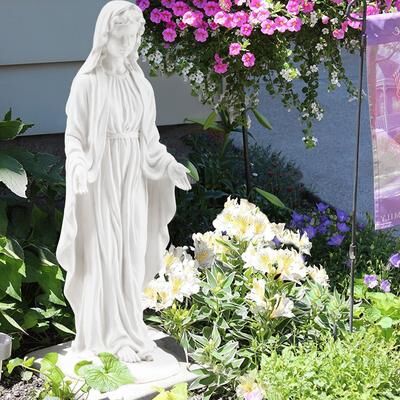
EROMMY Outdoor Religious Statue - Waterproof Garden Decor for Patio, Porch, and Courtyard【Elegant Garden Statue】 Add a touch of elegance to your garden or home with this beautifully crafted statue. Made from premium magnesium oxide, it features lifelike details and a refined finish that brings a sense of peace and harmony to any space.73,07 $*Shipping: 0,00 $Secure redirect to the provider



-
Why do non-religious people not celebrate religious holidays?
Non-religious people may choose not to celebrate religious holidays because they do not adhere to the beliefs or practices associated with those holidays. They may not find personal significance or meaning in the religious aspects of the holidays and therefore do not feel compelled to participate. Additionally, some non-religious individuals may prefer to celebrate holidays that align more closely with their own values and beliefs. **
-
Can religious ultra-Orthodox be compared to religious extremists?
Religious ultra-Orthodox and religious extremists can share some similarities, such as a strict adherence to religious laws and traditions, and a resistance to modern secular influences. However, it is important to note that not all ultra-Orthodox individuals are extremists, and not all religious extremists are ultra-Orthodox. While some ultra-Orthodox groups may hold extreme views and engage in radical behavior, it is not accurate or fair to categorize all ultra-Orthodox individuals as extremists. It is important to approach each group or individual with an open mind and not make assumptions based on stereotypes. **
-
Are religious people more intelligent than non-religious people?
Intelligence is a complex and multifaceted trait that cannot be solely determined by a person's religious beliefs. There is no conclusive evidence to suggest that religious people are inherently more intelligent than non-religious people, as intelligence is influenced by a variety of factors such as genetics, environment, education, and life experiences. It is important to recognize that individuals of all religious and non-religious backgrounds have the capacity for intelligence and critical thinking. Therefore, it is not accurate to make generalizations about the intelligence of religious versus non-religious individuals. **
-
Do you believe that all religious teachers are religious?
No, I do not believe that all religious teachers are necessarily religious themselves. While many religious teachers are indeed deeply religious and committed to their faith, there are also individuals who may teach about religion from a more academic or historical perspective without necessarily being personally religious. Additionally, some religious teachers may have a more spiritual or philosophical approach to their teachings rather than a strictly religious one. Therefore, it is important to recognize that religious teachers can come from a variety of backgrounds and perspectives. **

Are most religious people nicer than non-religious people?
It is not accurate to make a blanket statement about the behavior of most religious people compared to non-religious people. People's behavior is influenced by a variety of factors, including their individual personalities, upbringing, and personal beliefs. While some religious individuals may exhibit kindness and compassion as a result of their faith, there are also many non-religious individuals who demonstrate these qualities. It is important to recognize that kindness and compassion are not exclusive to any particular group and can be found in people of all backgrounds and beliefs. **
What do religious leaders say about other religious leaders?
Religious leaders often speak about other religious leaders with respect and admiration, acknowledging their dedication to serving their communities and spreading their faith. They may also emphasize the importance of interfaith dialogue and cooperation, promoting understanding and unity among different religious traditions. Additionally, religious leaders may highlight the shared values and teachings that are present in various faiths, emphasizing the common goal of promoting peace, compassion, and justice. Overall, religious leaders tend to express a message of mutual respect and cooperation when discussing their counterparts in other religious traditions. **
Top-Angebote
Products related to Religious:
-
Lush Living Finds Christian Jesus Fridge Magnet Sticker, Religious Christmas Kitchen Magnets For Refrigerator Christian Jesus Fridge Magnet Sticker, Religious Christmas Kitchen Magnets For RefrigeratorEnhance Your Kitchen with a Touch of Faith Bring a festive, spiritual vibe to your home with our 9 peice Fridge Magnet Sticker. Designed with a Christian Jesus Christmas theme, this magnet is a beautiful reminder of faith, making it a perfect...34,97 $*Shipping: 0,00 $Secure redirect to the provider
-
What is the difference between military and religious resistance?
Military resistance involves using armed forces and physical combat to oppose an enemy or oppressor, while religious resistance involves using religious beliefs, practices, and institutions to oppose oppression or injustice. Military resistance often involves organized warfare and strategic planning, while religious resistance may involve nonviolent protests, civil disobedience, or spiritual practices. Additionally, military resistance is often focused on achieving political or territorial goals, while religious resistance may be focused on upholding moral or ethical principles. **
-
What is a military radar?
A military radar is a system used by the military to detect and track aircraft, missiles, ships, and other objects in the air or on the ground. It uses radio waves to determine the range, angle, and velocity of the objects it detects. Military radars are an essential tool for surveillance, early warning, and air defense, providing crucial information for military operations and national security. They can be deployed on land, at sea, or in the air, and are designed to operate in various environmental conditions and combat scenarios. **
-
Why do non-religious people not celebrate religious holidays?
Non-religious people may choose not to celebrate religious holidays because they do not adhere to the beliefs or practices associated with those holidays. They may not find personal significance or meaning in the religious aspects of the holidays and therefore do not feel compelled to participate. Additionally, some non-religious individuals may prefer to celebrate holidays that align more closely with their own values and beliefs. **
-
Can religious ultra-Orthodox be compared to religious extremists?
Religious ultra-Orthodox and religious extremists can share some similarities, such as a strict adherence to religious laws and traditions, and a resistance to modern secular influences. However, it is important to note that not all ultra-Orthodox individuals are extremists, and not all religious extremists are ultra-Orthodox. While some ultra-Orthodox groups may hold extreme views and engage in radical behavior, it is not accurate or fair to categorize all ultra-Orthodox individuals as extremists. It is important to approach each group or individual with an open mind and not make assumptions based on stereotypes. **
Similar search terms for Religious
-
EROMMY Outdoor Religious Statue - Waterproof Garden Decor for Patio, Porch, and Courtyard【Elegant Garden Statue】 Add a touch of elegance to your garden or home with this beautifully crafted statue. Made from premium magnesium oxide, it features lifelike details and a refined finish that brings a sense of peace and harmony to any space.73,07 $*Shipping: 0,00 $Secure redirect to the provider
-
Inspired Living 2 Pcs Flameless Religious Candles LED Prayer Lights With Jesus Cross Design Battery Operated 2 Pcs Flameless Religious Candles LED Prayer Lights With Jesus Cross Design Battery OperatedCreate a peaceful atmosphere with these elegant LED prayer candle lights designed to inspire faith and comfort. Featuring a beautiful Jesus cross design, these flameless candles provide the warm glow of traditional candles without smoke, wax, or...23,97 $*Shipping: 0,00 $Secure redirect to the provider
-
Are religious people more intelligent than non-religious people?
Intelligence is a complex and multifaceted trait that cannot be solely determined by a person's religious beliefs. There is no conclusive evidence to suggest that religious people are inherently more intelligent than non-religious people, as intelligence is influenced by a variety of factors such as genetics, environment, education, and life experiences. It is important to recognize that individuals of all religious and non-religious backgrounds have the capacity for intelligence and critical thinking. Therefore, it is not accurate to make generalizations about the intelligence of religious versus non-religious individuals. **
-
Do you believe that all religious teachers are religious?
No, I do not believe that all religious teachers are necessarily religious themselves. While many religious teachers are indeed deeply religious and committed to their faith, there are also individuals who may teach about religion from a more academic or historical perspective without necessarily being personally religious. Additionally, some religious teachers may have a more spiritual or philosophical approach to their teachings rather than a strictly religious one. Therefore, it is important to recognize that religious teachers can come from a variety of backgrounds and perspectives. **
-
Are most religious people nicer than non-religious people?
It is not accurate to make a blanket statement about the behavior of most religious people compared to non-religious people. People's behavior is influenced by a variety of factors, including their individual personalities, upbringing, and personal beliefs. While some religious individuals may exhibit kindness and compassion as a result of their faith, there are also many non-religious individuals who demonstrate these qualities. It is important to recognize that kindness and compassion are not exclusive to any particular group and can be found in people of all backgrounds and beliefs. **
-
What do religious leaders say about other religious leaders?
Religious leaders often speak about other religious leaders with respect and admiration, acknowledging their dedication to serving their communities and spreading their faith. They may also emphasize the importance of interfaith dialogue and cooperation, promoting understanding and unity among different religious traditions. Additionally, religious leaders may highlight the shared values and teachings that are present in various faiths, emphasizing the common goal of promoting peace, compassion, and justice. Overall, religious leaders tend to express a message of mutual respect and cooperation when discussing their counterparts in other religious traditions. **
* All prices are inclusive of VAT and, if applicable, plus shipping costs. The offer information is based on the details provided by the respective shop and is updated through automated processes. Real-time updates do not occur, so deviations can occur in individual cases. ** Note: Parts of this content were created by AI.