Buy ackack.eu ?
We are moving the project
ackack.eu .
Are you interested in purchasing the domain
ackack.eu ?
domain@kv-gmbh.de · 0541-91531010
Buy ackack.eu ?
How is video surveillance on private property regulated?
Video surveillance on private property is regulated by laws and regulations that vary by country and region. In general, property owners are allowed to install surveillance cameras on their own property as long as they are not invading the privacy of others. However, there are restrictions on where cameras can be placed, such as not being allowed to record in areas where individuals have a reasonable expectation of privacy, like bathrooms or changing rooms. Property owners may also be required to post signs notifying individuals that they are being recorded. Additionally, some jurisdictions may have specific requirements for how video footage is stored and accessed. **
Where is custody regulated?
Custody is regulated at both the state and federal levels in the United States. Each state has its own laws and guidelines regarding child custody, which are typically based on the best interests of the child. Additionally, federal laws such as the Uniform Child Custody Jurisdiction and Enforcement Act (UCCJEA) help to ensure consistency and cooperation between states in custody matters. Overall, custody is a complex legal issue that is governed by a combination of state and federal laws. **


Similar search terms for Regulated
Top-Angebote
Products related to Regulated:
-
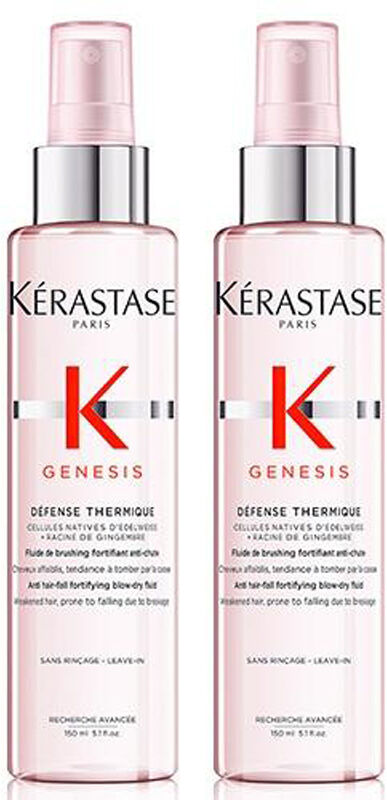
Kérastase Genesis Defense Thermique 150ml DoubleStock up and save with this double pack. The Kérastase Genesis Defense Thermique is a anti hair-fall intense fortifying blow dry fluid for weakened hair prone to falling. Providing anti-breakage protection, up to 88% hydration, 24hr protection against frizz without weighing the hair down and protect hair from heat up to 230C°. Give up to 99.3% less hair fall. Ingredients AQUA / WATER / EAU COCOS NUCIFERA OIL / COCONUT OIL AMODIMETHICONE POLYQUATERNIUM-37 PHENOXYETHANOL PROPYLENE GLYCOL DICAPRYLATE/DICAPRATE XYLITYLGLUCOSIDE SODIUM HYDROXIDE ANHYDROXYLITOL XYLITOL DIMETHICONE PEG-7 PHOSPHATE PPG-1 TRIDECETH-6 TRIDECETH-6 BEHENTRIMONIUM CHLORIDE LIMONENE XYLOSE ETHYLHEXYLGLYCERIN SORBITAN OLEATE LINALOOL ISOPROPYL ALCOHOL CETRIMONIUM CHLORIDE GLYCERIN HYDROLYZED VEGETABLE PROTEIN PG-PROPYL SILANETRIOL BENZYL SALICYLATE COUMARIN ZINGIBER OFFICINALE ROOT EXTRACT / GINGER ROOT EXTRACT CITRAL BENZYL ALCOHOL CITRONELLOL BENZYL BENZOATE LEONTOPODIUM ALPINUM CALLUS CULTURE EXTRACT POTASSIUM SORBATE TOCOPHEROL CITRIC ACID XANTHAN GUM DIPEPTIDE DIAMINOBUTYROYL BENZYLAMIDE DIACETATE PARFUM / FRAGRANCE55,50 £*Shipping: 0,00 £Secure redirect to the provider
-
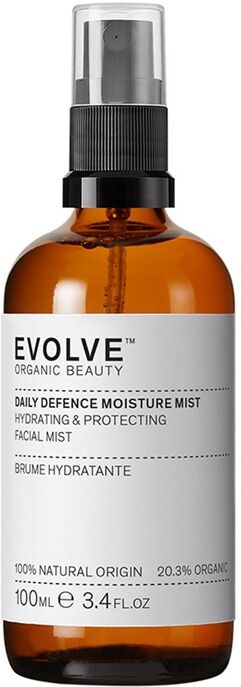
Evolve Beauty Daily Defense Moisture Mist 100mlWith a host of powerful green ingredients, this protective facial mist works to strengthen and balance the skin’s microbiota to help protect your complexion against pollution and aggressive chemicals. The luxurious Daily Defense Moisture Mist contains organic Mexican cactus elixir to calm irritated skin and boost hydration. Prebiotics from chicory root preserve the skin’s natural beauty and nourish its barrier, while hyaluronic acid delivers much-needed moisture. This skin-loving mist is delicately fragranced with soothing orange and rose flower waters for a delightfully sensorial experience. Suitable for all skin types. Vegan. Cruelty free. Handmade in Hertfordshire, England. 100% natural, 20% organic. Ingredients Aqua (water), Rosa Damascena Flower Water*, Citrus Aurantium Amara Flower Water*, Pentylene Glycol (from Sugar Cane), Inulin, Sodium Hyaluronate, Opuntia Ficus Indica Stem Extract*, Glycerin**, Fructose.21,00 £*Shipping: 2,95 £Secure redirect to the provider
-
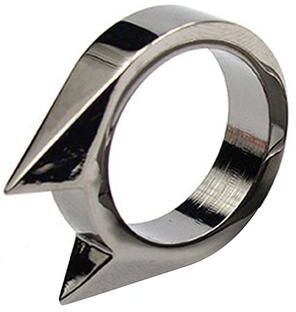
Cozy Casa Charm Self Defense Finger Ring Outdoor Survival Window Breaker Cats Ear Metal Defense Ring For Personal Safety blackStay safe and prepared with the SelfDefense Finger Ring. Designed for adults who value safety and security, this ring serves as a discreet yet effective selfdefense tool. Whether you're out on a hike or walking through the city, this compact device...29,97 $*Shipping: 0,00 $Secure redirect to the provider

-
How is sick pay regulated?
Sick pay is regulated by a combination of federal, state, and local laws in the United States. The Family and Medical Leave Act (FMLA) requires certain employers to provide unpaid leave for medical reasons, including sickness. Some states and cities have also implemented paid sick leave laws that require employers to provide a certain amount of paid sick leave to employees. Additionally, some employers may offer sick pay as part of their company policies or collective bargaining agreements with unions. Overall, sick pay regulations can vary depending on the location and size of the employer. **
-
How are company holidays regulated?
Company holidays are regulated by the company's policies and procedures, which are typically outlined in the employee handbook or through communication from the human resources department. These policies may include information on the number of holidays provided, how they are determined (e.g. fixed holidays or floating holidays), and any eligibility criteria for employees to receive holiday pay. Additionally, company holidays may be regulated by federal or state labor laws, which may dictate minimum requirements for holiday pay and time off. Overall, company holidays are regulated through a combination of internal company policies and external legal regulations. **
-
How can they be regulated?
They can be regulated through government policies and regulations that set standards for their production, distribution, and use. This can include laws that limit the amount of pollutants they can emit, require the use of certain technologies to reduce environmental impact, or mandate reporting and monitoring of their operations. Additionally, industry-specific regulations and oversight bodies can help ensure compliance with these regulations and hold companies accountable for any violations. Public pressure and consumer demand for more sustainable practices can also influence companies to self-regulate and adopt more environmentally friendly policies. **
-
What is a regulated activity?
A regulated activity is an economic or financial activity that is subject to oversight and regulation by a government authority or regulatory body. These activities are typically considered to be of significant importance to the functioning of the economy or the protection of consumers, and therefore require specific rules and standards to be followed. Examples of regulated activities can include banking, insurance, investment services, and healthcare. Compliance with regulations is necessary to ensure the safety, stability, and integrity of these industries. **


How is enzyme activity regulated?
Enzyme activity is regulated through various mechanisms such as allosteric regulation, covalent modification, and competitive inhibition. In allosteric regulation, molecules bind to specific sites on the enzyme, causing a conformational change that either activates or inhibits the enzyme's activity. Covalent modification involves the addition or removal of chemical groups, such as phosphorylation or dephosphorylation, which can alter the enzyme's activity. Competitive inhibition occurs when a molecule competes with the substrate for binding to the enzyme's active site, thereby reducing the enzyme's activity. These regulatory mechanisms allow cells to control enzyme activity in response to changing environmental conditions and metabolic demands. **
Should meat consumption be regulated?
Meat consumption should be regulated to some extent in order to address environmental, health, and ethical concerns. The meat industry is a major contributor to greenhouse gas emissions and deforestation, so regulating consumption could help mitigate these impacts. Additionally, excessive meat consumption has been linked to various health issues, so regulation could help promote healthier dietary choices. From an ethical standpoint, regulating meat consumption could also help address animal welfare concerns. However, it's important to balance regulation with individual choice and cultural practices. **
Top-Angebote
Products related to Regulated:
-
Uplifted Finds Three Defense High Performance Litter Box Cushion Three Defense High Performance Litter Box CushionKeep your pet's bathroom area clean and odorfree with the ThreeDefense HighPerformance Litter Box Cushion. Specifically tailored to fit the exact contours and entryway of the MiniC smart automatic litter box, this highperformance placement pad...167,97 $*Shipping: 0,00 $Secure redirect to the provider
-
Kérastase Genesis Defense Thermique 150ml DoubleStock up and save with this double pack. The Kérastase Genesis Defense Thermique is a anti hair-fall intense fortifying blow dry fluid for weakened hair prone to falling. Providing anti-breakage protection, up to 88% hydration, 24hr protection against frizz without weighing the hair down and protect hair from heat up to 230C°. Give up to 99.3% less hair fall. Ingredients AQUA / WATER / EAU COCOS NUCIFERA OIL / COCONUT OIL AMODIMETHICONE POLYQUATERNIUM-37 PHENOXYETHANOL PROPYLENE GLYCOL DICAPRYLATE/DICAPRATE XYLITYLGLUCOSIDE SODIUM HYDROXIDE ANHYDROXYLITOL XYLITOL DIMETHICONE PEG-7 PHOSPHATE PPG-1 TRIDECETH-6 TRIDECETH-6 BEHENTRIMONIUM CHLORIDE LIMONENE XYLOSE ETHYLHEXYLGLYCERIN SORBITAN OLEATE LINALOOL ISOPROPYL ALCOHOL CETRIMONIUM CHLORIDE GLYCERIN HYDROLYZED VEGETABLE PROTEIN PG-PROPYL SILANETRIOL BENZYL SALICYLATE COUMARIN ZINGIBER OFFICINALE ROOT EXTRACT / GINGER ROOT EXTRACT CITRAL BENZYL ALCOHOL CITRONELLOL BENZYL BENZOATE LEONTOPODIUM ALPINUM CALLUS CULTURE EXTRACT POTASSIUM SORBATE TOCOPHEROL CITRIC ACID XANTHAN GUM DIPEPTIDE DIAMINOBUTYROYL BENZYLAMIDE DIACETATE PARFUM / FRAGRANCE55,50 £*Shipping: 0,00 £Secure redirect to the provider
-
Evolve Beauty Daily Defense Moisture Mist 100mlWith a host of powerful green ingredients, this protective facial mist works to strengthen and balance the skin’s microbiota to help protect your complexion against pollution and aggressive chemicals. The luxurious Daily Defense Moisture Mist contains organic Mexican cactus elixir to calm irritated skin and boost hydration. Prebiotics from chicory root preserve the skin’s natural beauty and nourish its barrier, while hyaluronic acid delivers much-needed moisture. This skin-loving mist is delicately fragranced with soothing orange and rose flower waters for a delightfully sensorial experience. Suitable for all skin types. Vegan. Cruelty free. Handmade in Hertfordshire, England. 100% natural, 20% organic. Ingredients Aqua (water), Rosa Damascena Flower Water*, Citrus Aurantium Amara Flower Water*, Pentylene Glycol (from Sugar Cane), Inulin, Sodium Hyaluronate, Opuntia Ficus Indica Stem Extract*, Glycerin**, Fructose.21,00 £*Shipping: 2,95 £Secure redirect to the provider
-
How is video surveillance on private property regulated?
Video surveillance on private property is regulated by laws and regulations that vary by country and region. In general, property owners are allowed to install surveillance cameras on their own property as long as they are not invading the privacy of others. However, there are restrictions on where cameras can be placed, such as not being allowed to record in areas where individuals have a reasonable expectation of privacy, like bathrooms or changing rooms. Property owners may also be required to post signs notifying individuals that they are being recorded. Additionally, some jurisdictions may have specific requirements for how video footage is stored and accessed. **
-
Where is custody regulated?
Custody is regulated at both the state and federal levels in the United States. Each state has its own laws and guidelines regarding child custody, which are typically based on the best interests of the child. Additionally, federal laws such as the Uniform Child Custody Jurisdiction and Enforcement Act (UCCJEA) help to ensure consistency and cooperation between states in custody matters. Overall, custody is a complex legal issue that is governed by a combination of state and federal laws. **
-
How is sick pay regulated?
Sick pay is regulated by a combination of federal, state, and local laws in the United States. The Family and Medical Leave Act (FMLA) requires certain employers to provide unpaid leave for medical reasons, including sickness. Some states and cities have also implemented paid sick leave laws that require employers to provide a certain amount of paid sick leave to employees. Additionally, some employers may offer sick pay as part of their company policies or collective bargaining agreements with unions. Overall, sick pay regulations can vary depending on the location and size of the employer. **
-
How are company holidays regulated?
Company holidays are regulated by the company's policies and procedures, which are typically outlined in the employee handbook or through communication from the human resources department. These policies may include information on the number of holidays provided, how they are determined (e.g. fixed holidays or floating holidays), and any eligibility criteria for employees to receive holiday pay. Additionally, company holidays may be regulated by federal or state labor laws, which may dictate minimum requirements for holiday pay and time off. Overall, company holidays are regulated through a combination of internal company policies and external legal regulations. **
Similar search terms for Regulated
-
Cozy Casa Charm Self Defense Finger Ring Outdoor Survival Window Breaker Cats Ear Metal Defense Ring For Personal Safety blackStay safe and prepared with the SelfDefense Finger Ring. Designed for adults who value safety and security, this ring serves as a discreet yet effective selfdefense tool. Whether you're out on a hike or walking through the city, this compact device...29,97 $*Shipping: 0,00 $Secure redirect to the provider
-
Kérastase Genesis Defense Thermique 150ml DoubleStock up and save with this double pack. The Kérastase Genesis Defense Thermique is a anti hair-fall intense fortifying blow dry fluid for weakened hair prone to falling. Providing anti-breakage protection, up to 88% hydration, 24hr protection against frizz without weighing the hair down and protect hair from heat up to 230C°. Give up to 99.3% less hair fall. Ingredients AQUA / WATER / EAU COCOS NUCIFERA OIL / COCONUT OIL AMODIMETHICONE POLYQUATERNIUM-37 PHENOXYETHANOL PROPYLENE GLYCOL DICAPRYLATE/DICAPRATE XYLITYLGLUCOSIDE SODIUM HYDROXIDE ANHYDROXYLITOL XYLITOL DIMETHICONE PEG-7 PHOSPHATE PPG-1 TRIDECETH-6 TRIDECETH-6 BEHENTRIMONIUM CHLORIDE LIMONENE XYLOSE ETHYLHEXYLGLYCERIN SORBITAN OLEATE LINALOOL ISOPROPYL ALCOHOL CETRIMONIUM CHLORIDE GLYCERIN HYDROLYZED VEGETABLE PROTEIN PG-PROPYL SILANETRIOL BENZYL SALICYLATE COUMARIN ZINGIBER OFFICINALE ROOT EXTRACT / GINGER ROOT EXTRACT CITRAL BENZYL ALCOHOL CITRONELLOL BENZYL BENZOATE LEONTOPODIUM ALPINUM CALLUS CULTURE EXTRACT POTASSIUM SORBATE TOCOPHEROL CITRIC ACID XANTHAN GUM DIPEPTIDE DIAMINOBUTYROYL BENZYLAMIDE DIACETATE PARFUM / FRAGRANCE51,80 £*Shipping: 0,00 £Secure redirect to the provider
-
How can they be regulated?
They can be regulated through government policies and regulations that set standards for their production, distribution, and use. This can include laws that limit the amount of pollutants they can emit, require the use of certain technologies to reduce environmental impact, or mandate reporting and monitoring of their operations. Additionally, industry-specific regulations and oversight bodies can help ensure compliance with these regulations and hold companies accountable for any violations. Public pressure and consumer demand for more sustainable practices can also influence companies to self-regulate and adopt more environmentally friendly policies. **
-
What is a regulated activity?
A regulated activity is an economic or financial activity that is subject to oversight and regulation by a government authority or regulatory body. These activities are typically considered to be of significant importance to the functioning of the economy or the protection of consumers, and therefore require specific rules and standards to be followed. Examples of regulated activities can include banking, insurance, investment services, and healthcare. Compliance with regulations is necessary to ensure the safety, stability, and integrity of these industries. **
-
How is enzyme activity regulated?
Enzyme activity is regulated through various mechanisms such as allosteric regulation, covalent modification, and competitive inhibition. In allosteric regulation, molecules bind to specific sites on the enzyme, causing a conformational change that either activates or inhibits the enzyme's activity. Covalent modification involves the addition or removal of chemical groups, such as phosphorylation or dephosphorylation, which can alter the enzyme's activity. Competitive inhibition occurs when a molecule competes with the substrate for binding to the enzyme's active site, thereby reducing the enzyme's activity. These regulatory mechanisms allow cells to control enzyme activity in response to changing environmental conditions and metabolic demands. **
-
Should meat consumption be regulated?
Meat consumption should be regulated to some extent in order to address environmental, health, and ethical concerns. The meat industry is a major contributor to greenhouse gas emissions and deforestation, so regulating consumption could help mitigate these impacts. Additionally, excessive meat consumption has been linked to various health issues, so regulation could help promote healthier dietary choices. From an ethical standpoint, regulating meat consumption could also help address animal welfare concerns. However, it's important to balance regulation with individual choice and cultural practices. **
* All prices are inclusive of VAT and, if applicable, plus shipping costs. The offer information is based on the details provided by the respective shop and is updated through automated processes. Real-time updates do not occur, so deviations can occur in individual cases. ** Note: Parts of this content were created by AI.